Graduate Enrichment Mentoring Initiative
GEMiNi
Graduate Enrichment Mentoring Initiative
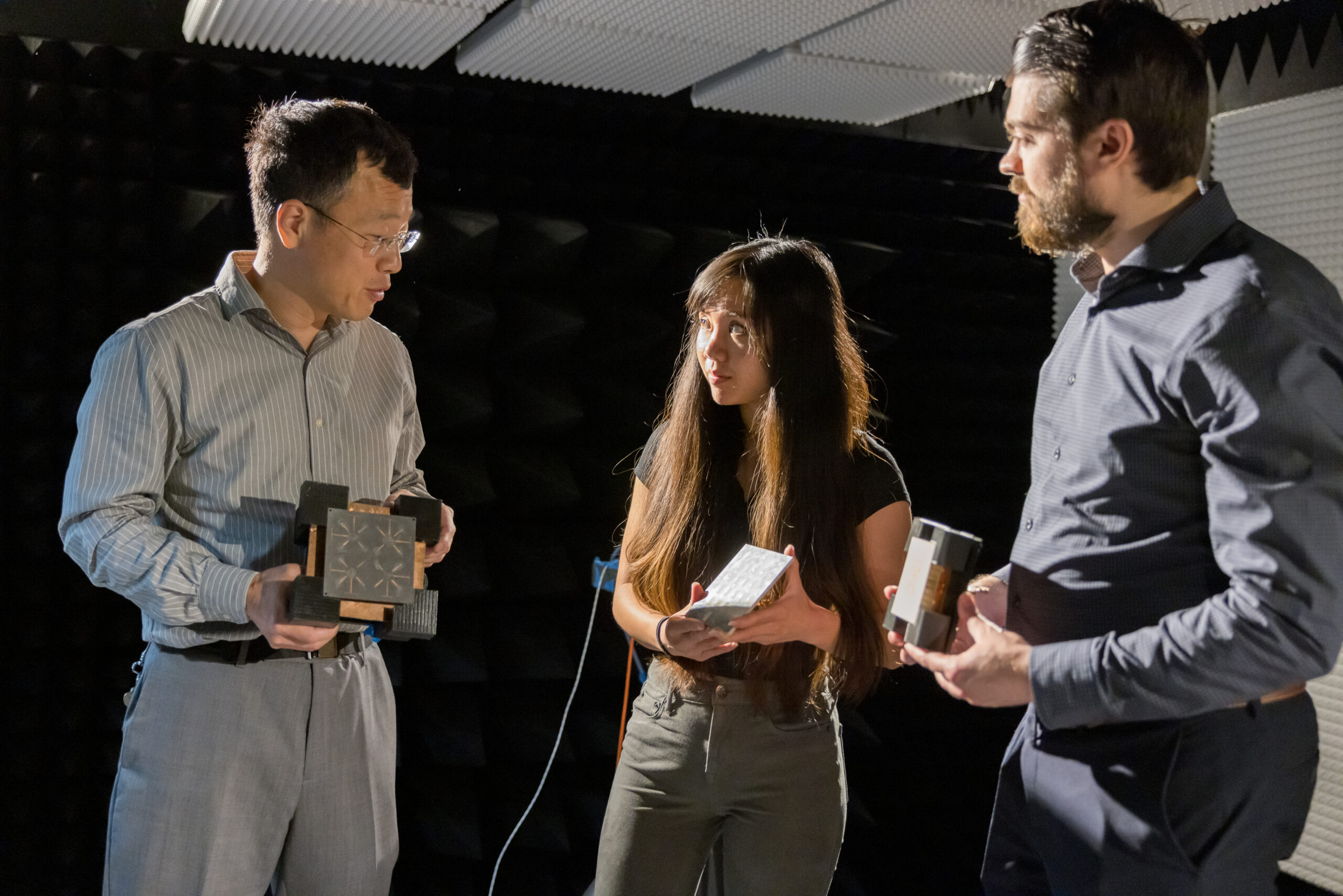
At the University of Central Florida, we recognize that effective mentoring is a cornerstone of graduate student success and faculty and postdoctoral scholar impact. The Graduate Enrichment Mentoring Initiative (GEMiNi) is designed to support and enhance the mentoring relationships that shape the academic, professional, and personal growth of our graduate students. Through resources, guidance, and programming designed for both mentors and mentees, GEMiNi empowers faculty to engage in thoughtful, individualized, and impactful mentoring while equipping graduate students with the tools they need to thrive. GEMiNi fosters a culture of mutual respect, transparent communication, clear expectations, and shared commitment to academic and professional growth, enhancing graduate education and creating rewarding mentoring experiences for both faculty, postdoctoral scholars and students.
GEM-NET: GEMiNi Mentoring Network
GEM-NET expands mentoring opportunities through three complementary tiers that connect graduate students with peers, postdoctoral scholars and faculty members beyond their primary advising relationships.
- GEMiNi Constellation — Peer Mentoring: Senior graduate students mentor junior graduate students, encouraging collaboration, peer support, research engagement and academic confidence.
- GEMiNi Supernova — Postdoctoral Mentoring: Postdoctoral scholars guide graduate students in advanced research practices, professional development and career preparation.
- GEMiNi Starlight — Faculty Mentoring: Faculty members outside a student’s primary advising relationship offer additional perspectives on academic growth, professional planning and scholarly engagement.
Together, these mentoring relationships provide graduate students with additional guidance, opportunities to build connections across academic levels, and perspectives that support their academic and professional development.
Getting Involved
Interested in becoming a mentor or finding a mentor? Contact the GEMiNi director to learn more about mentoring opportunities and how to get involved.

Mentoring Guidance for Your Role at UCF
Faculty Resources
Mentoring graduate students is both a privilege and a responsibility that enhances faculty impact, supports student success, and strengthens research and academic programs. Yet many faculty members enter mentoring roles without formal preparation. GEMiNi offers practical, evidence-based resources to help faculty refine their mentoring practices, navigate complex situations, and support students holistically. From setting expectations and fostering professional growth to promoting well-being, these tools are designed to help faculty build more effective, inclusive, and sustainable mentoring relationships. Whether you are a new advisor or a seasoned mentor, this section provides guidance to support your continued growth as a mentor and contributions to a strong graduate community.
GEMiNi Graduate Mentoring Plan Template
The GEMiNi Mentoring Plan Template helps faculty articulate a structured and thoughtful approach to mentoring graduate students while also fulfilling NSF’s requirement for a formal graduate student mentoring plan. It outlines key areas, including training in research, teaching, professional development, and career preparation. Importantly, it integrates UCF-specific resources, including professional development programs, grant writing support, and skill-building workshops available through the College of Graduate Studies, the Faculty Center for Teaching and Learning, and other campus partners. Faculty can customize the template to reflect the unique needs of their students and research environments. By using this adaptable tool, faculty can create mentoring plans that are not only compliant but also deeply supportive of student growth and success.
Mentorship is a vital part of your graduate journey, shaping your academic success, professional development, and overall well-being. Strong mentoring relationships do not happen by chance; they require active participation and clear communication from both mentor and mentee. You will find tools here to help you build and maintain meaningful mentoring relationships. The guidance includes understanding faculty roles, setting expectations, giving and receiving feedback, protecting your mental health, and developing a diverse mentoring network that aligns with your personal and professional goals. Whether you’re just beginning your graduate studies or seeking to strengthen your support system, these resources are designed to help you thrive. An Individual Development Plan (IDP) is a structured tool that helps graduate students and postdoctoral researchers to: We encourage all students to develop and regularly update their IDP in collaboration with mentors. While UCF does not mandate a specific format, several established IDP tools are available to guide your process, including those tailored to STEM, social sciences, and humanities. Below are some well-established IDP tools that students can use to guide this process: In addition to these external resources, students may use the UCF GEMiNi IDP Template. Clear and proactive communication between graduate students and advisors is essential for a successful mentoring relationship. The AGREE template provides a structured framework for discussing and documenting shared expectations across key areas, such as communication practices, research responsibilities, authorship, meeting frequency, timelines, and lab culture. It encourages open dialogue from the outset of the advising relationship and serves as a living document that can be revisited and updated as needed. By clarifying mutual responsibilities and fostering trust, AGREE helps prevent misunderstandings and promotes a more productive, respectful, and supportive mentoring experience for both faculty and students.
Tools for Graduate Students

Individual Development Plan
AGREE: Advisor–Grad Student Relationship Expectations and Engagement
Workshops and Events
As part of its future offerings, GEMiNi will host workshops and events designed to enrich the mentoring culture at UCF. These sessions will provide opportunities for faculty and graduate students to engage in reflective dialogue, share best practices, and strengthen their mentoring skills. Programming may include interactive sessions, panel discussions, and invited speakers with expertise in mentoring and graduate education. More information will be shared as these offerings are developed.
GEMiNi Committee Members

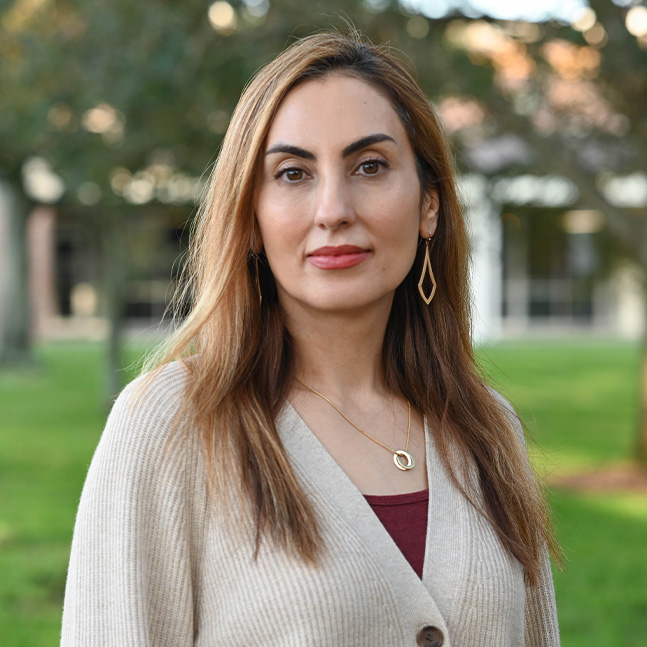
Nazanin Rahnavard
Professor, Electrical and Computer Engineering
College of Engineering and Computer Science