UCF Doctoral Researchers Selected for Inaugural ASCENDR Fellowship Cohort
Ten UCF doctoral researchers are among the inaugural fellows selected for the new Advancing STEM Careers through Education, Networking, and Development + Research (ASCENDR) Fellowship, a national program designed to prepare emerging STEM researchers for opportunities in defense research and the broader national security enterprise.
The one-year fellowship, managed by the Hispanic-Serving Research Universities Alliance, provides doctoral students with faculty-mentored research experiences while connecting them with professional development, research and career opportunities related to national security. UCF is a proud member of the HSRU Alliance, which brings together Hispanic-Serving Research Universities committed to expanding research and graduate education opportunities.
For the inaugural UCF cohort, the fellowship offers a chance to bring university research into a broader national conversation.
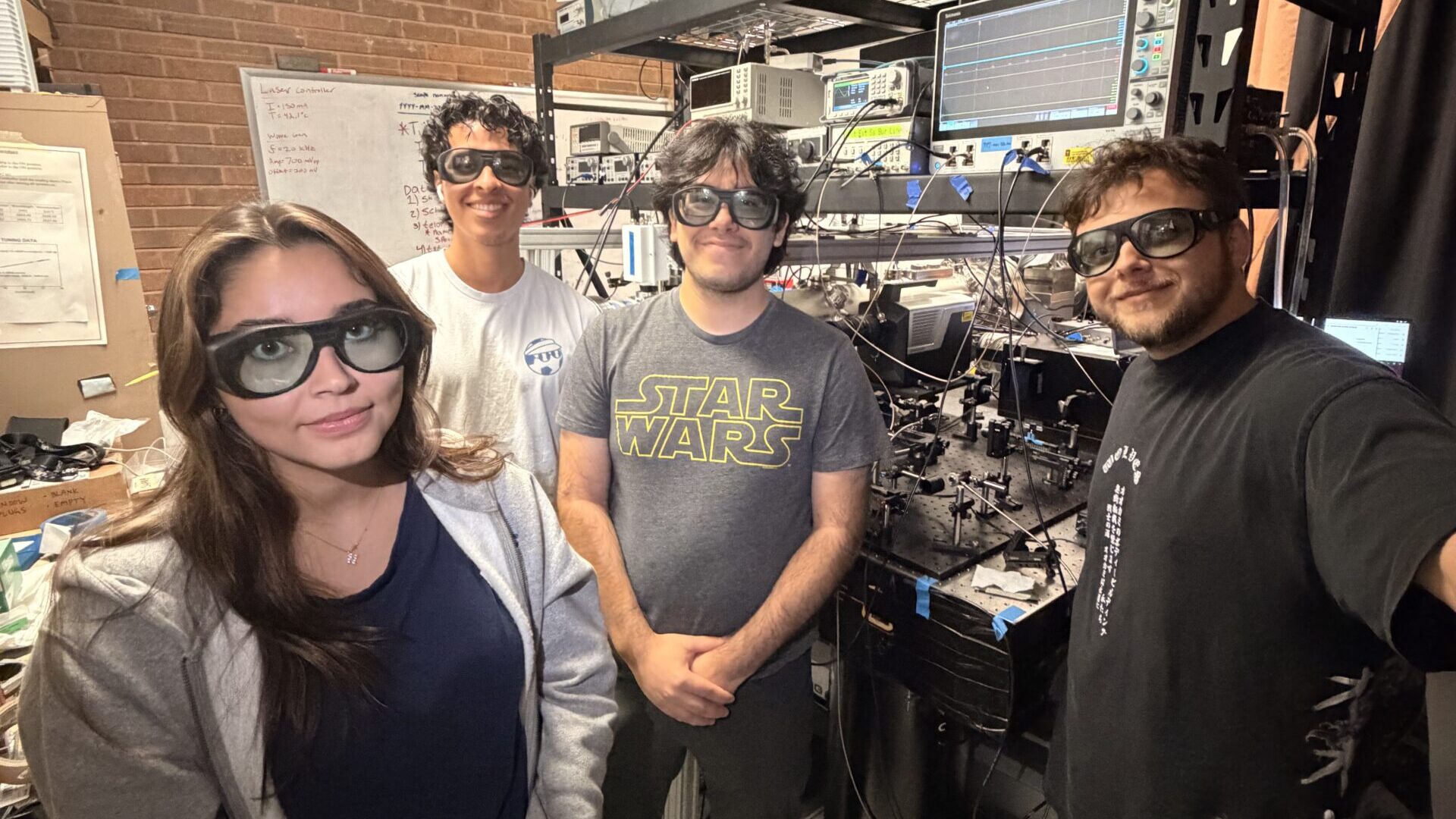
The ten UCF fellows are conducting research across aerospace engineering and related fields, focusing on high-speed propulsion, detonation systems, combustion, fluid dynamics, and advanced propulsion technologies. Their work highlights the depth of research taking place within UCF’s engineering community and the university’s growing strength in aerospace and defense-related innovation.
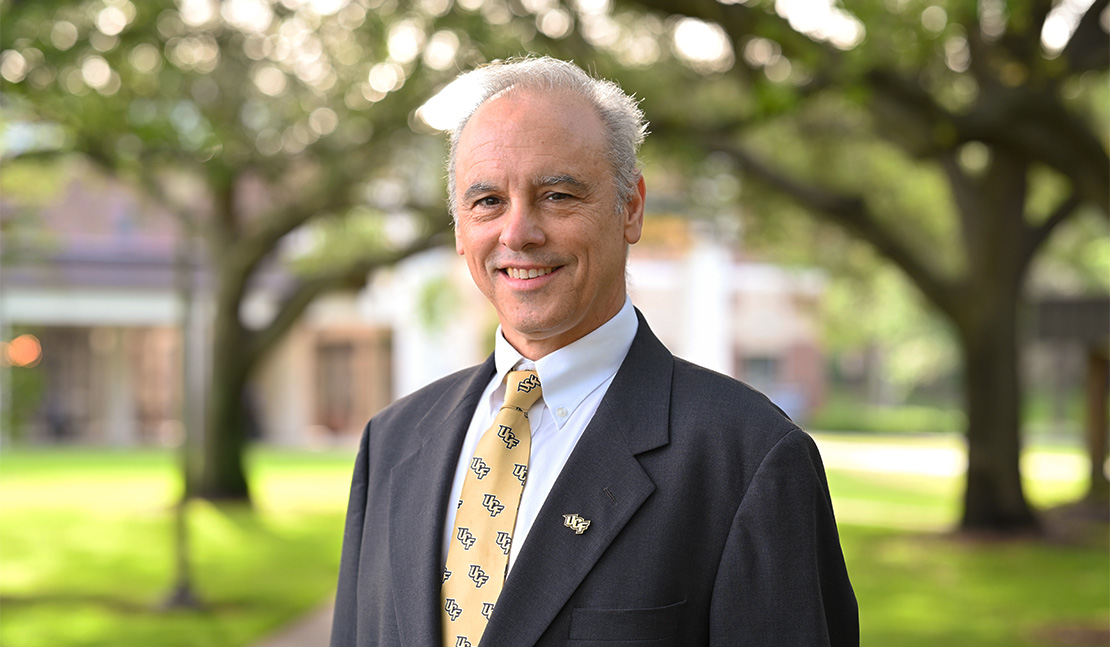
“Programs like ASCENDR give our doctoral students opportunities to think beyond the laboratory and consider how their research can contribute to national priorities,” says Dr. John Weishampel, Dean of the College of Graduate Studies. “The fellowship also gives students the chance to build relationships with researchers and professionals who can help shape their careers.”
ASCENDR is a structured, cohort-based initiative designed for doctoral students whose STEM research aligns with national defense priorities. Throughout the fellowship year, students will continue their research at their home institutions under the guidance of faculty mentors while participating in webinars, workshops, and other professional development activities focused on defense research, leadership, and career pathways. They will also engage with faculty, researchers, government professionals, and industry representatives through virtual programming and an annual in-person convening.
The initiative also gives faculty researchers opportunities to deepen their engagement with the defense research community. Through the ASCENDR Research Program, faculty at HSRU institutions can compete for funding to lead projects aligned with Department of Defense science and technology priorities while involving graduate students in meaningful research experiences.
UCF research assistant professor Justin Urso is part of the inaugural ASCENDR faculty cohort. His project, “Characterization of Advanced Space Propellants for Space Missile Defense,” uses laser-based diagnostics and high-speed sensing to study next-generation propellants under extreme combustion conditions. This work aims to generate data to improve predictive models and accelerate the development of advanced propulsion technologies for future air and space vehicles.
Urso’s research focuses on remote sensing in harsh environments, including hypersonics, propulsion systems, and energy generation. His work demonstrates how ASCENDR connects faculty expertise, graduate research, and national priorities while creating new opportunities for collaboration between universities and the defense industry.
For UCF’s student fellows, this connection means pursuing research advancing technologies that could shape the future of aerospace and propulsion.
Emil Alunno, Taylor Brown, Nathan Dreyer, Delbert Hart, Cooper Mills, Alejandro Puerta-Alvarado, Valerie Rodriguez, Diego Ruis Pena, Spencer Smith and Bryan Suarez make up the 2026-27 UCF cohort.
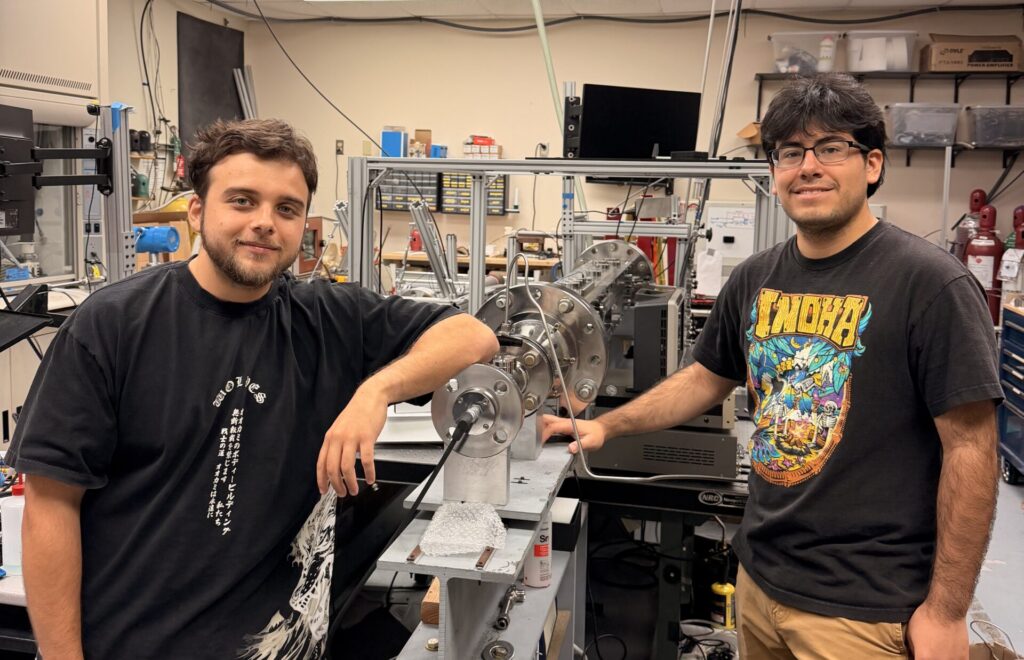
Many fellows conduct research through UCF’s largest research lab, Vasu Lab, as well as the Propulsion and Energy Research Laboratory and the Hyperspace Center of Excellence. Their projects explore areas ranging from multiphase detonation and hypersonic propulsion to high-temperature combustion, optical diagnostics, and detonation engine development.
“The ASCENDR Fellowship recognizes the importance of investing in graduate researchers who are working on complex challenges,” adds Dr. Weishampel. “For our students, it provides a valuable bridge between their academic research and the professional opportunities that can follow.”
In addition to research and professional development, fellows receive a $12,500 award to support their academic and professional development during the fellowship year. The funding complements existing graduate assistantships, fellowships, and other sources of academic support.
The cohort model is another important part of ASCENDR. By bringing doctoral researchers from HSRU institutions together, the program creates a national peer network for sharing ideas, developing connections, and learning from one another as they prepare for careers in research and innovation.
For UCF, the inaugural ASCENDR cohort marks a new pathway for graduate students and faculty interested in connecting their research with national security challenges and careers across the defense innovation ecosystem.
As these Graduate Knights advance their research, ASCENDR will connect their work with the people, ideas, and opportunities shaping the future of research and national security.